

Every computer user faces technical difficulties at some point. Whether you’re working from home, streaming content, or visiting a paynplay casino for quick entertainment, unexpected PC troubles can disrupt your activities and cause frustration. Understanding the most common issues that affect personal computers helps you respond quickly and minimize downtime. This comprehensive guide explores frequent problems users encounter and provides insight into what causes them and how they impact your daily computing experience.
Hardware Failures That Disrupt Your Workflow
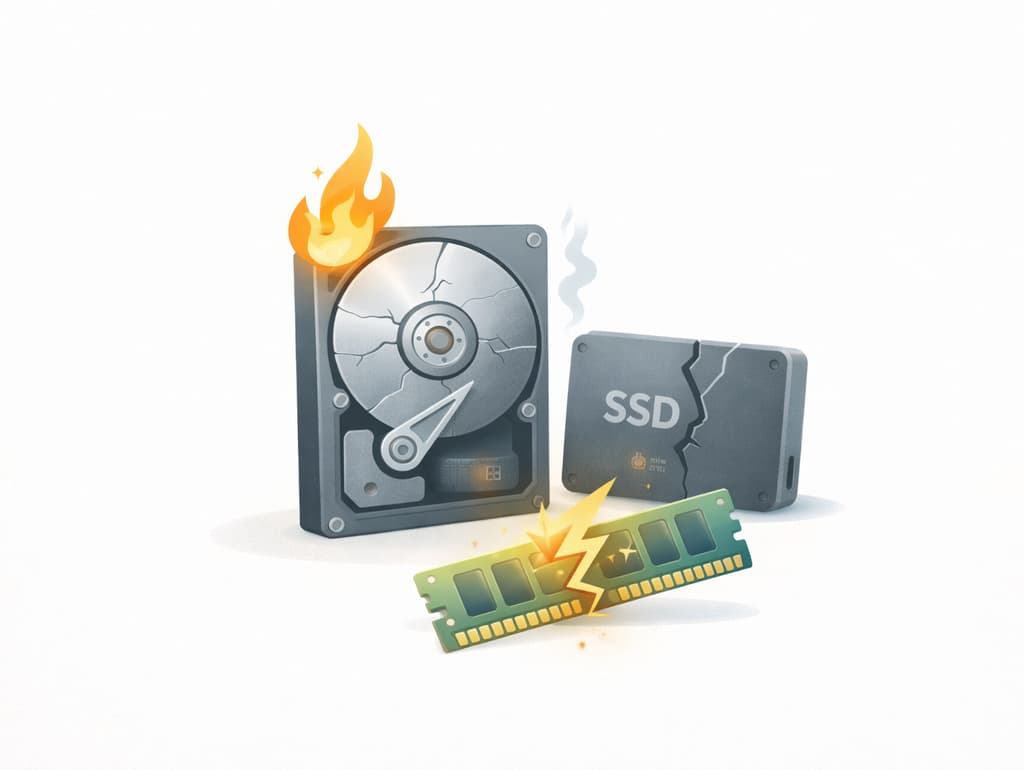
Physical components inside your computer have limited lifespans and can fail without warning. Hard drives represent one of the most vulnerable parts, especially traditional spinning drives that contain moving mechanical parts. When a hard drive begins failing, you might notice strange clicking sounds, extremely slow file access, or files that suddenly become corrupted or disappear. Solid-state drives also fail but typically show different symptoms like sudden inability to write data or the computer refusing to recognize the drive entirely.
Memory modules can develop problems over time, leading to random system crashes, blue screens appearing without clear cause, or applications closing unexpectedly. Graphics cards may overheat or develop faults that cause screen artifacts, colored lines across your display, or complete system freezes during graphics-intensive tasks. Power supply units deteriorate gradually, sometimes causing random shutdowns or preventing your computer from starting at all. The cooling system components like fans can accumulate dust or stop working, leading to overheating that triggers automatic shutdowns to protect internal components from permanent damage.
Software Conflicts and Operating System Issues
Software-related problems often prove more common than hardware failures but can be equally disruptive. Operating system corruption occurs when critical system files become damaged, leading to boot failures, repeated error messages, or features that suddenly stop functioning. This corruption might result from improper shutdowns, malware infections, or failed updates that didn’t complete correctly.
Driver conflicts create another frequent headache for users. Drivers serve as communication bridges between your hardware and operating system, and when they’re outdated, corrupted, or incompatible with recent system updates, devices may stop responding. Your printer might refuse to print, your webcam could fail during important video calls, or your audio might cut out completely. Application conflicts happen when different programs compete for the same system resources or when installed software contains bugs that cause crashes. Background programs consuming excessive resources can slow your entire system to a crawl, making even simple tasks frustratingly slow.
Security Threats and Malware Infections
Cybersecurity threats pose serious risks to computer stability and personal data security. Malware comes in various forms, each causing different problems. Viruses replicate themselves and spread to other files, potentially corrupting data or making programs unusable. Ransomware encrypts your files and demands payment for their release, effectively holding your data hostage. Spyware secretly monitors your activities and steals sensitive information like passwords, financial details, and browsing habits.
Adware bombards you with unwanted advertisements, slows system performance, and changes browser settings without permission. Trojan horses disguise themselves as legitimate software but open backdoors for hackers to access your system remotely. Rootkits hide deep within your operating system, making them extremely difficult to detect and remove while giving attackers persistent access to your computer. Phishing attacks trick users into revealing login credentials or installing malicious software by impersonating trustworthy sources. These security breaches not only compromise your personal information but can also damage system files and create instability that leads to crashes and data loss.
Network and Connectivity Problems
Internet and network issues frustrate users who rely on constant connectivity for work and entertainment. Wi-Fi connections that drop repeatedly or fail to connect altogether often stem from router problems, interference from other devices, outdated network drivers, or incorrect network settings. Slow internet speeds might result from bandwidth congestion, router placement issues, or problems with your internet service provider rather than your computer itself.
Local network problems prevent file sharing between computers, access to network printers, or communication with other devices on your home network. DNS issues cause websites to fail loading even when your internet connection appears active. Firewall misconfigurations can block legitimate programs from accessing the internet while failing to stop actual threats. VPN connections that constantly disconnect disrupt secure remote work sessions and expose your data to potential interception. These connectivity problems become especially problematic when you need reliable access to online entertainment platforms, cloud storage, video conferencing, or remote desktop applications.
Performance Degradation Over Time
Computers naturally slow down as they age, but several factors accelerate this decline. Fragmented hard drives on older systems cause the read/write head to work harder to access scattered file pieces. Registry bloat from installed and uninstalled programs leaves behind countless unnecessary entries that Windows must process. Startup programs that automatically launch when you boot your computer consume memory and processing power before you even begin working.
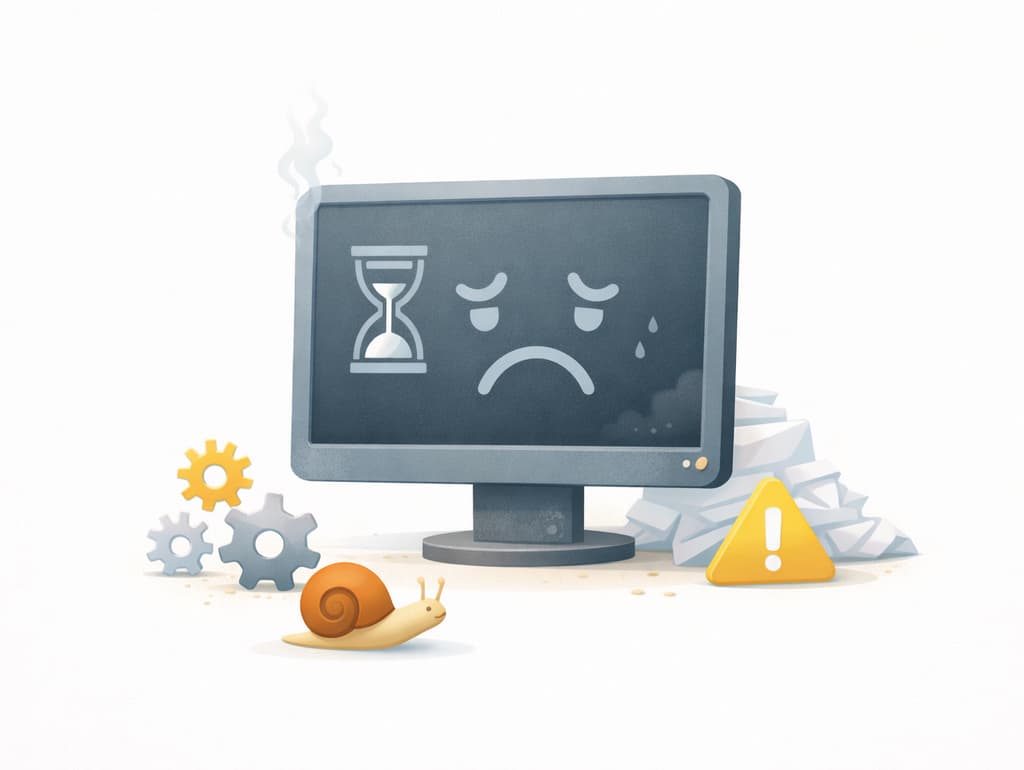
Temporary files accumulate in hidden folders, wasting storage space and occasionally causing conflicts. Full hard drives leave insufficient room for the operating system to create temporary files needed for various operations. Outdated hardware struggles to run modern software designed for newer, more powerful components. Overheating from dust accumulation forces processors to throttle their speed to prevent damage, creating noticeable slowdowns during demanding tasks. Background updates, antivirus scans running during work hours, and browser extensions all contribute to the gradual performance decline that makes your once-speedy computer feel sluggish and unresponsive.
